AI in Creative Production: Be a Fujifilm, Not a Kodak
Why do people suddenly care how the sausage is made?
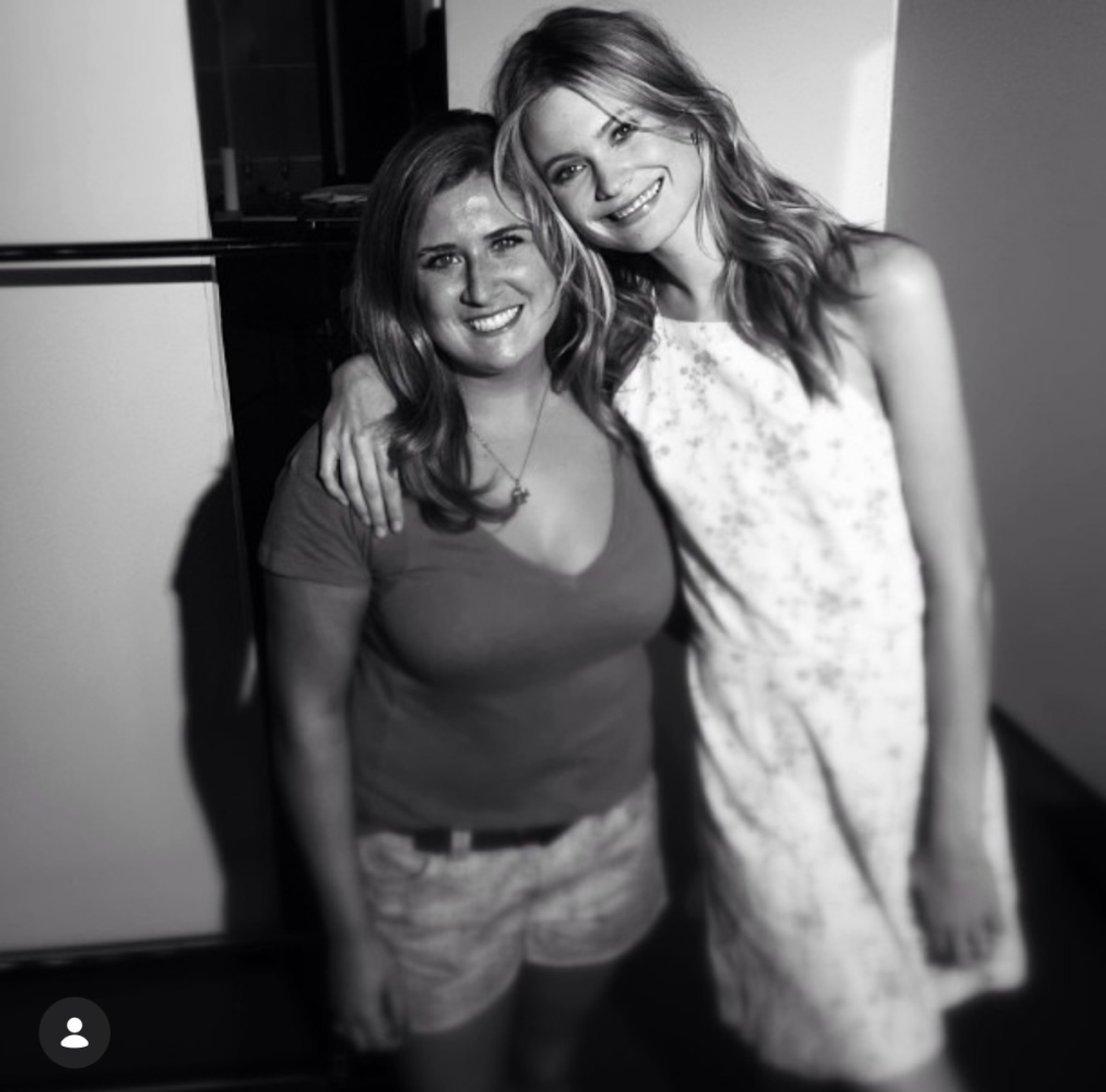
Behati Prinsloo without a single skin spot, pore, or wrinkle. Candice Swanepoel's curves shaded and highlighted to exaggerate every detail.
That was Photoshop. It wasn't real. And it made many around the world want to buy the Body by Victoria Collection. I guarantee you there wasn't a thought about how those images were made.
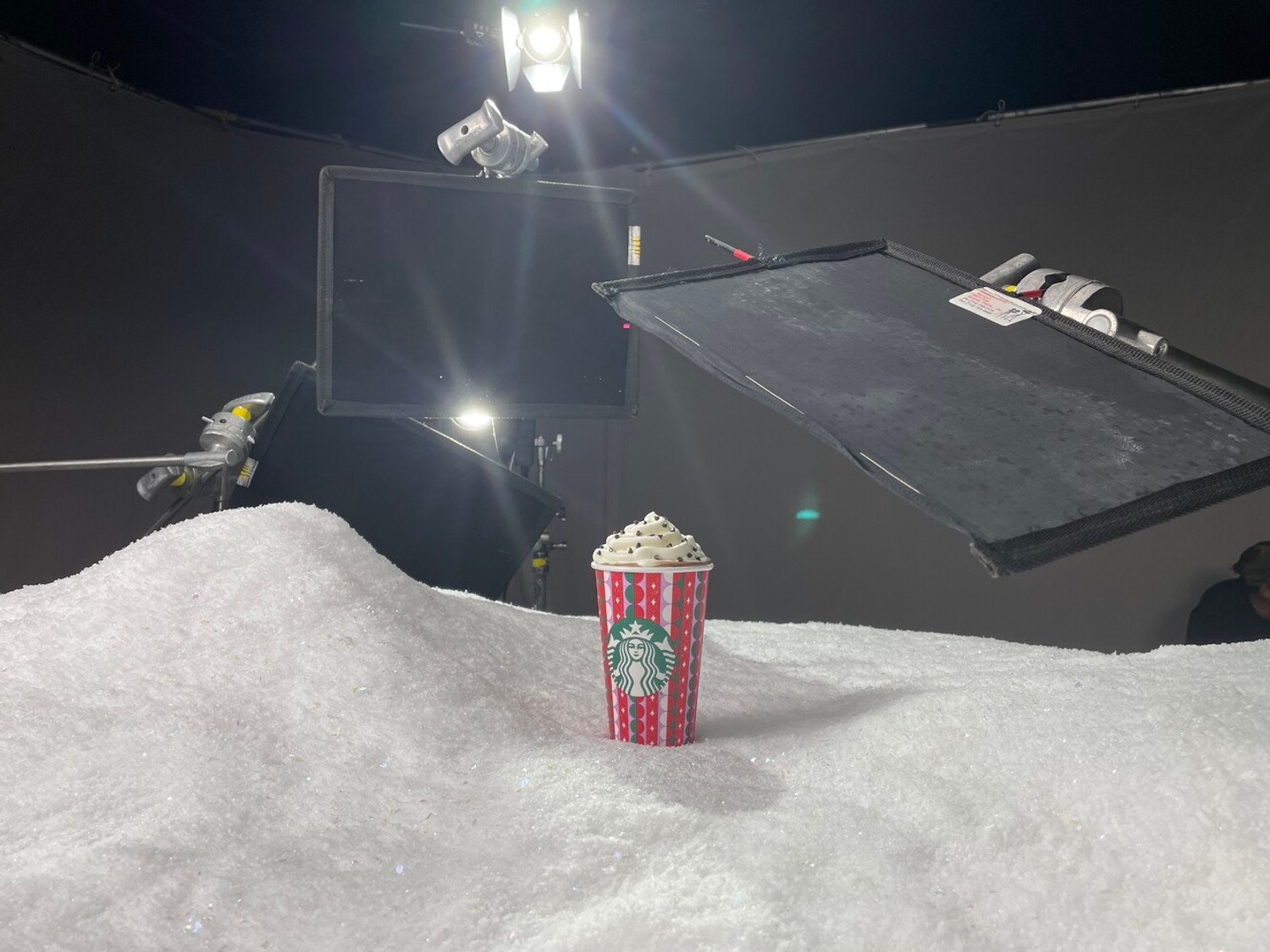
The perfect whip on a Peppermint Mocha, delicious chocolate shavings shimmering in the light, on a beautiful lilac background? Composited — from at least five or more separate shots—not to mention the fake snow floating in frame. But you know what, you opened the app and ordered before you even thought about it.

“Every time a new technology arrives, the creative world shifts. And it's never been welcome at first.”
I'm putting on my art history hat now. One I earned after sprinting up a hill week after week in Bloomington, Indiana, barely making it to my seat before attendance was called.
In 1839, the daguerreotype became the first commercially viable photographic process. Imagine people then: "You're going to have a document of me? Where's it going? How will it be used?" Sound familiar?
By 1889, Eastman Kodak introduced the first film box camera. Now people had a whole roll of documentation they'd never see — and no idea what the developer would do with the shadows and highlights in the darkroom.
In 1957, digital photography arrived. And this is where things got interesting. Eastman Kodak — the company that invented digital photography — didn't believe in its own creation, because 70% of their profits came from film. They believed digital lacked the "human touch" and permanence of a physical photograph.
While Kodak dug in, others studied the opportunity. Fujifilm made a decision: Kodak said we are a film company. Fujifilm said we are an imagery company. One saw the technology as a threat. The other saw it as a door. Both kept humanity at the center — but only one stayed true to that while evolving. By 2010, Kodak was filing for bankruptcy.
And then the 90s happened.
And I'm not just talking about the baggy jeans and crop tops.
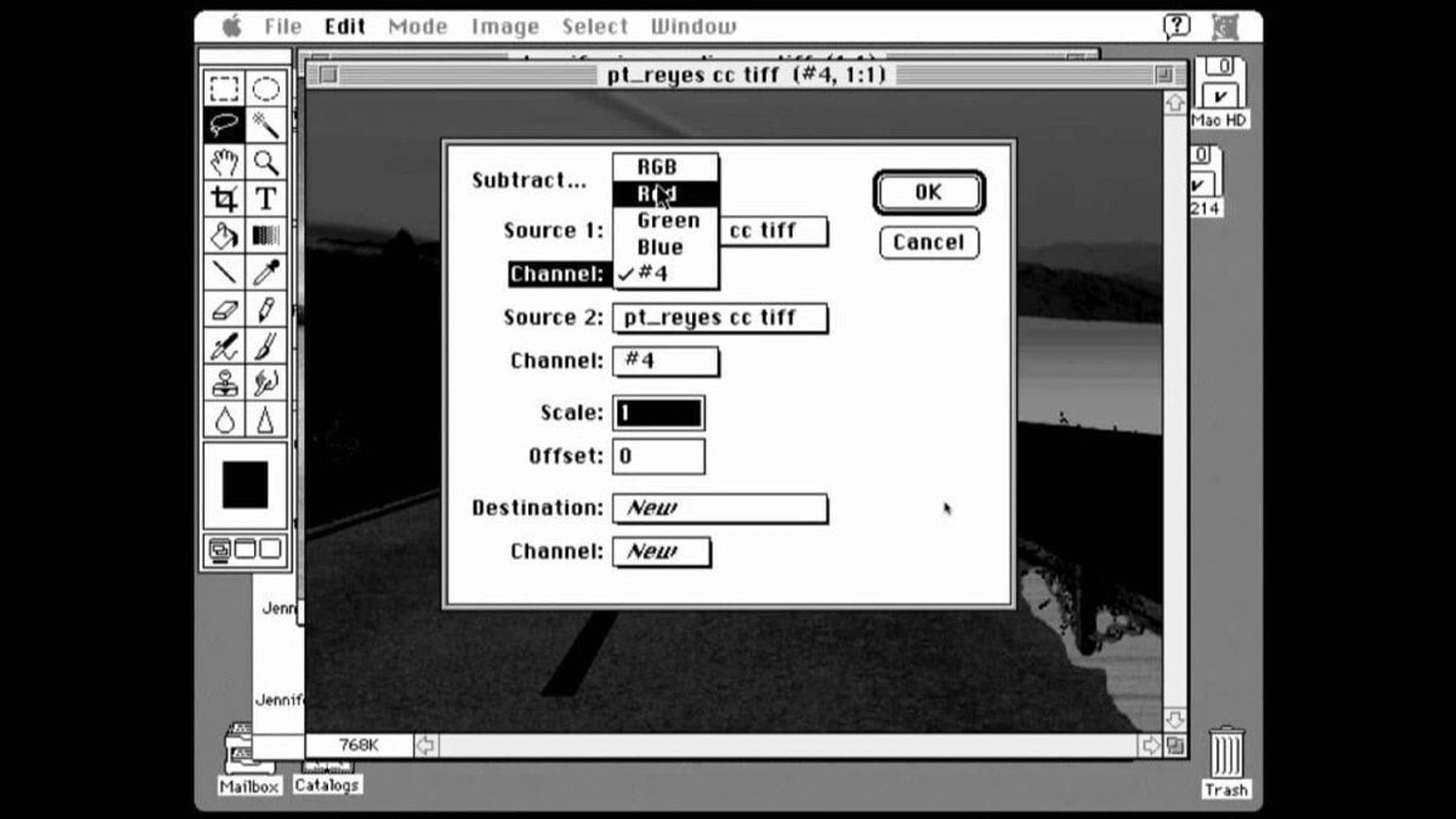
In 1990, Photoshop launched and immediately sparked a national debate about the "death of photographic truth." Headlines questioned whether we could ever trust our eyes again. The word "Photoshopping" entered tech circles by the late 90s and became a dictionary verb by 2006.
And then the industry had to reckon with what it had done. By 2004, Dove launched Real Beauty — a direct response to decades of retouching that had quietly reshaped how we as women saw ourselves. The industry had used the technology, sold the product, and eventually had to ask: what do we owe people? That question didn't stop us from retouching. It just made us more thoughtful about how we used the tool.
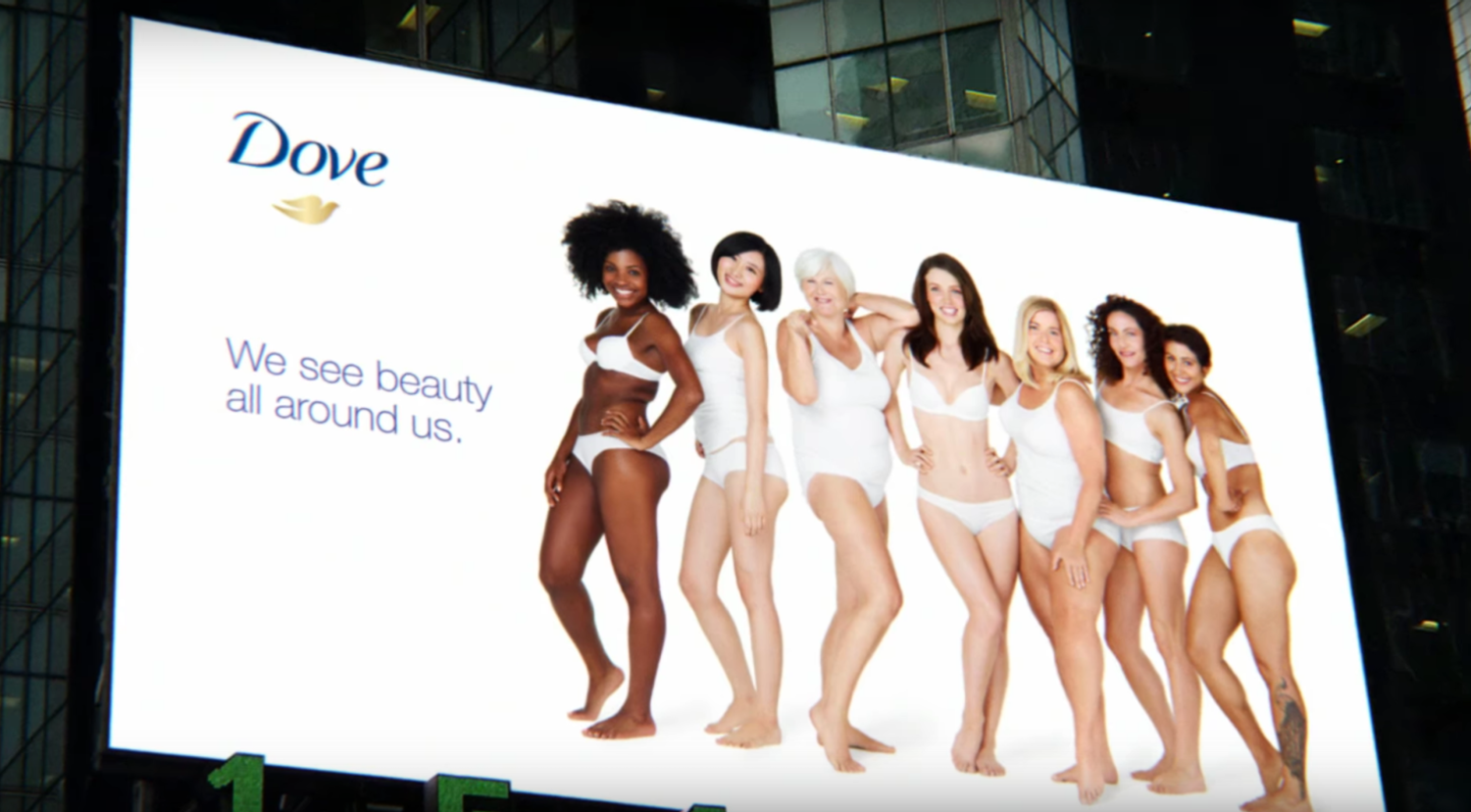
Every technology that changed how images are made triggered the same fear, the same "death of truth" headlines, the same industry reckoning. Photography, film cameras, digital, Photoshop — each one was treated like the end of something real. AI is just the latest version of that same conversation.
And here, I've only written about photography. I haven't touched printmaking, filmmaking, or illustration.
To reference a stat from Airspace: "73% of Gen Z and Millennial consumers said disclosure would either increase or have no negative impact on their likelihood to purchase."
Did we disclose that Behati and Candice were retouched to sell lingerie? Did we disclose how many images it takes to composite a craveable Starbucks Peppermint Mocha? No. And if consumers won't change their purchase behavior, why start now?
I named my creative services company Tiger's Eye after a stone formed under pressure. That wasn't an accident.
Tiger's Eye is a stone made deep underground, under immense force, over a very long time. I chose that name because it mirrors what every creative is living through right now — the pressure of technology, the constant demand to evolve, the feeling that the ground is always shifting. But the stone doesn't break. It comes out with something beautiful. That has always been true of this industry. It is true now.
I'll be honest with you. I hold both of these things at once, and it is not always comfortable.
I love human creativity in a way that is almost irrational. The orchestra of a full production set. The moment a photographer finds the light in an image that takes much trial and error. The decision about where something goes in a frame and why. I spent years learning that craft by watching the best people in the world do it — at agencies, at Victoria's Secret, at Starbucks, on sets for brands that most people only ever see on a screen.
And I also believe, with equal conviction, that the creatives who don't learn how to work with this new technology that is AI will be the Kodaks of our generation.
Last fall, I was on set for a photo shoot for The Coffee Bean & Tea Leaf®. I looked around and saw a full team — people I had recruited, people I respect— all there because I had built something worth showing up for. A brand with a promise to amplify human creativity. Even amidst this latest wave of technological change. This was the moment it clicked for me. How meaningful our brand promise really is.
How to move forward
Today I own and operate a creative agency that founded the Alloy Method™ — a proprietary Tiger's Eye™ content production approach that combines live, human-made creativity with AI-enabled expansion. It's powered by our partnership with FLORA.
Last week, on set with creatives and clients from across the country for Cooper's Hawk Winery and Restaurants, we produced a shoot using the Alloy Method™. Human creativity at the center. AI-enabled expansion around it. The same real orchestra of creative talent, handheld rubbing of finger prints off of glasses, and getting the light to glisten off a rosé just right.
This method reduced production costs by up to 67% and cut timelines by 5 working weeks — from concept to final delivery.
We at Tiger's Eye are the Fujifilm of this era. Dedicated to helping our clients evolve their creative without falling behind.
Shoot me a note if you'd rather be a Fujifilm than a Kodak.